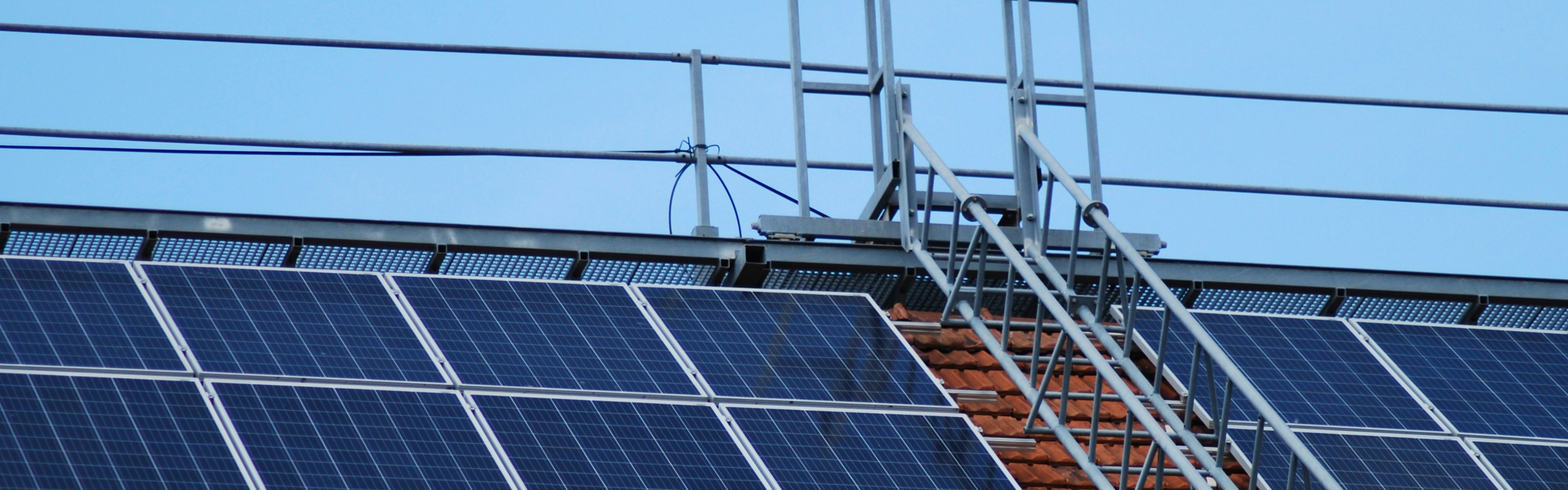
For years, solar panels have been one of the most effective ways for Australian households to reduce electricity bills. They let homeowners generate clean energy during the day and rely less on the grid. But for many homes, solar on its own is no longer the complete answer.
Energy prices continue to rise, feed-in tariffs have become less attractive, and households are using more electricity in the evening when solar panels are no longer producing power. As a result, many homeowners are starting to realise that while solar is still essential, it often works best as part of a broader energy system.
The limits of solar-only systems
A standard solar system produces the most electricity during the middle of the day. This works well if someone is home and using power at that time, but many families are out during work or school hours. That means a large portion of their solar generation is exported back to the grid rather than used directly in the home.
While exporting power still provides some value, feed-in tariffs are much lower than they used to be. In many cases, homeowners are selling electricity cheaply during the day, then buying it back at a much higher rate in the evening. That gap can significantly reduce the overall savings of a solar-only setup.
Why evening usage matters
For most households, energy demand peaks in the late afternoon and evening. This is when people return home, turn on lights, cook dinner, run appliances, and use heating or cooling. Unfortunately, this is also when solar production drops or stops entirely. This mismatch between when solar is generated and when electricity is needed is one of the biggest reasons solar alone may not deliver the level of energy independence many homeowners expect.
How batteries change the picture
A battery allows excess solar energy generated during the day to be stored and used later when the sun goes down. Instead of exporting all unused power to the grid, homeowners can keep more of their own energy and use it when electricity is most expensive.
This can improve self-consumption, reduce reliance on the grid, and offer more control over household energy usage. For some homes, battery storage can also provide backup support during outages, depending on the system design.
Looking beyond installation
Choosing the right solar solution is not just about installing panels. It is about creating a system that matches the way a household actually uses power. As electricity costs and energy demands continue to shift, taking a broader view can make a significant difference.
Solar remains an important foundation, but for many households, it is only the beginning. Adding storage and smarter energy planning can turn a good system into one that performs far better over time.